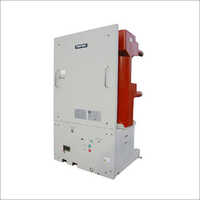
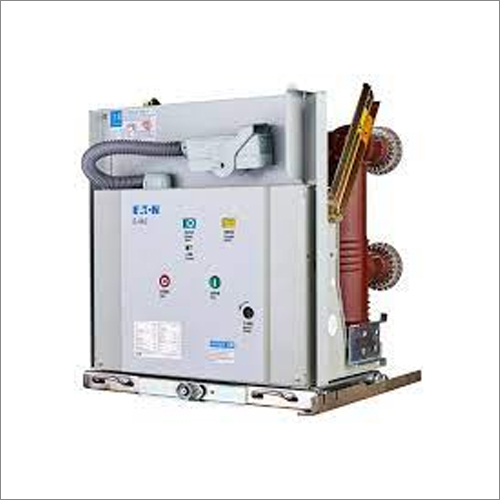
Vacuum Circuit Breakers repairing servicing Price & Specifications
Weight Approx. 40 kg
Temperature Protection Integrated thermal relay protection
Rated Voltage 12kV, 24kV, 36kV
Rated Short Circuit Making Current 63kA peak
Rated Short Circuit Breaking Current 25kA
Rated Frequency 50/60 Hz
Rated Current 800A - 3150A
Product Type High Voltage
Poles Number 1
Phase Single Phase
Mechanical Life >20,000 operations
Installation Options Panel/Fixed/Mobile
Function Interrupts and isolates electrical circuit in vacuum environment
Curves Fuse characteristic and protective curves (as per IEC standards)
Color WHITE
Breaking Capacity 25kA - 40kA
Main Domestic Market Madhya Pradesh
About Vacuum Circuit Breakers repairing servicing Detail
We are service provider of VCB Servicing /Repairing/ Testing with highly skilled person to rectify any type of problem electrical as well as mechanical.
We provides all type spares/interrupter ,CT ,PT Relays supply service and Testing also
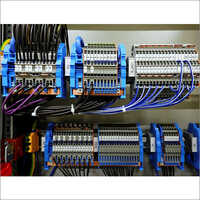
supply of remote panel, OLTC Panel APFC Panel
Comprehensive Servicing and RepairsOur expert team provides both on-site and off-site repair and maintenance for Vacuum Circuit Breakers. From diagnostics and cleaning to replacement of copper-chrome alloy contacts and recalibration of operating mechanisms, we ensure your VCB operates at peak performance. Service includes checking interlocks, control supply, auxiliary contacts, and thermal protection to guarantee safety and compliance with IEC standards.
Safety and Reliability FeaturesVacuum Circuit Breakers are equipped with advanced safety interlocks, integrated thermal relay protection, and highly insulating vacuum mediums. These features minimize electrical hazards and enable consistent operation even in harsh conditions. Rated up to IP54, the breakers are safeguarded against dust and water ingress, providing extended mechanical life beyond 20,000 operations.
FAQs of Vacuum Circuit Breakers repairing servicing:
Q: How is Vacuum Circuit Breaker servicing carried out on-site and off-site?
A: Servicing includes visual inspection, cleaning of internal components, testing of operating mechanisms (manual/electrical), interlock functionality checks, and replacement of worn copper-chrome alloy contacts. On-site servicing is ideal for minor repairs, while off-site allows for more extensive maintenance and calibration.
Q: What are the benefits of using copper-chrome alloy contacts in VCBs?
A: Copper-chrome alloy contacts offer excellent arc-quenching properties, superior conductivity, and enhanced durability, resulting in longer service life and reliable performance during high-current interruptions.
Q: When should routine maintenance of a Vacuum Circuit Breaker be performed?
A: Routine maintenance should be scheduled annually or as specified by the manufacturers guidelines, especially in environments with frequent switching operations. Preventive maintenance can help avoid unexpected failures and ensure consistent protection.
Q: Where can Vacuum Circuit Breakers be installed?
A: Vacuum Circuit Breakers are versatile and can be installed in panel, fixed, or mobile configurations. They are suitable for industrial plants, utility substations, and commercial buildings requiring reliable circuit protection.
Q: What is the process for checking the operating mechanism and interlocks during servicing?
A: Technicians inspect the spring-charged mechanism, verify manual and electrical operations, and test both mechanical and electrical safety interlocks. Issues are corrected, and functionality is confirmed per IEC standards, ensuring optimal safety and performance.
Q: How do auxiliary contacts and remote signaling improve VCB operation?
A: Auxiliary contacts allow integration with remote signaling systems, enabling real-time status monitoring and automated response for efficient system management and quicker fault resolution.
Q: What are the advantages of the IP54 protection class for these circuit breakers?
A: IP54-rated Vacuum Circuit Breakers are protected against limited dust ingress and water splashes, making them suitable for demanding operation environments and reducing the risk of electrical faults due to contamination.


 Our Products
 GST No.23ADWPL5610L1Z7